
Myopia Management
Supporting Children's Vision as They Grow
Myopia management is designed to assess the level of short-sightedness, identify individual risk factors, monitor whether it is changing over time, and provide guidance on treatment options that may help slow its progression where appropriate.
Myopia management begins with understanding progression
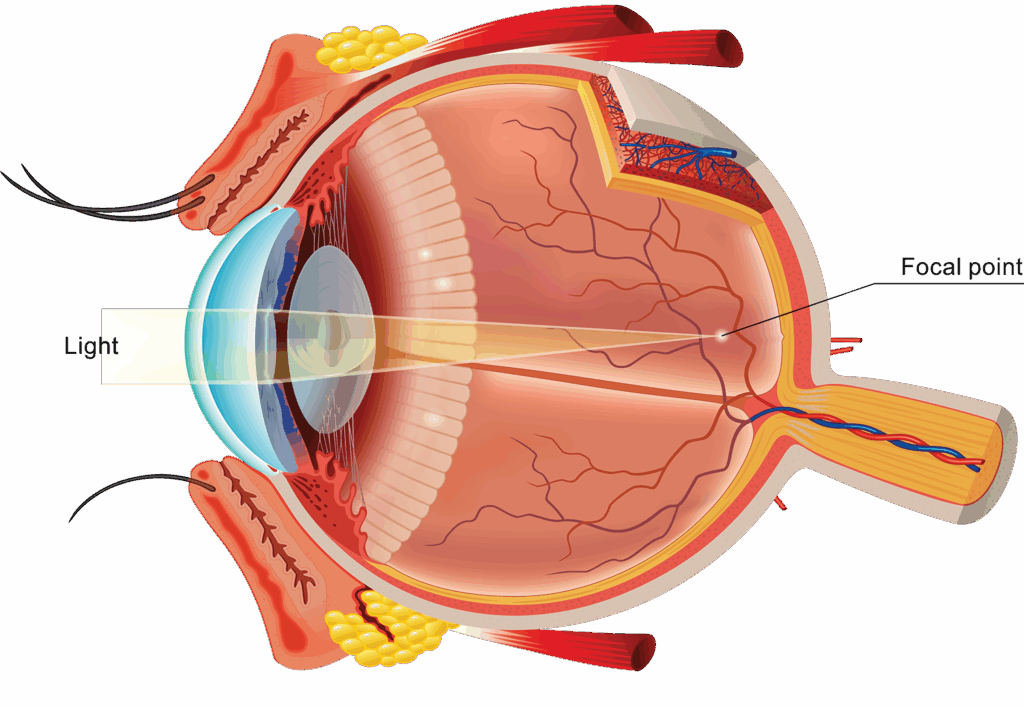
Myopia, also known as short-sightedness, often begins in childhood and may progress as the eye grows. Myopia management is designed to assess the level of short-sightedness, understand whether it is changing and provide guidance on options that may help manage progression where appropriate.
- A child has been diagnosed with short-sightedness
- A glasses prescription is changing or increasing over time
- There is a family history of myopia
- A child is struggling to see clearly at distance, such as the board at school
- Parents want a clearer plan for monitoring and managing vision changes
What treatment may involve
Your child’s management plan will depend on their prescription, age, eye health, lifestyle factors and how quickly their vision appears to be changing. The aim is to support clear vision while monitoring progression carefully over time.
- Detailed assessment of vision and prescription
- Review of eye health and relevant risk factors
- Discussion of lifestyle and visual habits
- Advice on suitable myopia management options where appropriate
- Ongoing review to monitor changes in vision and prescription
Helping families manage short-sightedness with confidence
Myopia management is designed to give families a clearer understanding of their child's vision and the steps that may help support long-term eye health. Your clinician will explain the options, suitability and any considerations before a plan is agreed.
Potential benefits
- Provides a clearer picture of how myopia is changing
- Supports early planning and regular monitoring
- Helps families understand suitable management options
- May help reduce the rate of progression where appropriate
- Supports confidence around school, reading, sport and daily activities
Safety and things to consider
- Myopia management does not guarantee that progression will stop
- The right approach depends on age, prescription and eye health
- Some options may require regular follow-up and careful use
- Treatment or monitoring plans may change as a child grows
- Parents should seek advice if vision changes, discomfort or new symptoms occur
Before, during and after treatment
Myopia management is usually an ongoing care pathway rather than a single appointment. The process begins with understanding your child's vision and then agreeing a plan for monitoring, support and review.
Before
- Your child's vision and prescription will be assessed
- Eye health and relevant history will be reviewed
- You will be asked about screen use, reading, outdoor time and family history
- Previous glasses or optometry records may be helpful where available
During
- The clinician will explain the findings in clear language
- Suitable management options will be discussed where appropriate
- Advice will be given around visual habits and ongoing monitoring
- Parents will have time to ask questions about next steps
After
- A follow-up plan will be recommended
- Vision and prescription changes can be monitored over time
- The management plan will be adjusted as your child grows
- You should arrange review if there are noticeable changes in vision or comfort
Recovery and Ongoing Care
Ongoing review is important because myopia can change as a child grows. Regular monitoring allows your clinician to understand whether the plan remains suitable and whether further advice or management is needed.
- Attend follow-up appointments as advised
- Keep glasses or other prescribed options up to date
- Encourage healthy visual habits where advised
- Tell the clinical team if your child reports new symptoms or worsening vision
Frequently Asked Questions
What is myopia management?
Myopia management is a structured approach to assessing short-sightedness, monitoring progression and advising on options that may help manage changes in vision over time.
Is myopia management only for children?
It is most commonly discussed for children and young people because myopia often begins and progresses while the eye is still growing. Adults with short-sightedness may need a different type of assessment or vision correction advice.
Can myopia be cured?
Myopia cannot be cured, but it can be corrected with glasses or contact lenses. Myopia management aims to monitor changes over time and, where appropriate, use treatment options that may help slow its progression.
How often will my child need review?
The review schedule depends on your child’s age, prescription, eye health and how quickly their vision is changing. Your clinician will recommend a follow-up plan based on their findings.
Does screen use cause myopia?
Screen use and close-up work are part of the wider conversation around children’s eye health, but myopia can be influenced by several factors, including age, genetics, time outdoors and visual habits.
What happens if my child's myopia progresses?
If the prescription continues to change, the clinical team may review the management plan, update advice and consider whether further options are appropriate.
Book Consultation
If your child has been diagnosed with short-sightedness or their prescription is changing, IOES can assess their vision and help guide the next step in care.

Concerned about your child's vision?
Learn more about common vision problems and when it may be time to arrange a specialist assessment.