
Blepharoplasty
Eyelid Surgery with Specialist Eye Expertise
Blepharoplasty is eyelid surgery that may help improve the appearance of excess eyelid skin or address eyelid concerns that affect comfort, vision or confidence. At IOES, your care begins with a detailed assessment of your eye health, eyelid anatomy and personal goals, so treatment is only recommended where it is appropriate for you.
Understanding your eyelids, comfort and goals
Dry eye occurs when the eyes do not produce enough tears, or when the tear film does not work as effectively as it should. Blepharitis is inflammation of the eyelids and can often contribute to dry eye symptoms. These conditions can be ongoing and uncomfortable, but with the right assessment and management, symptoms can often be improved.
- Common and often manageable with the right assessment and care plan
- Can affect comfort, reading, screen use and day-to-day vision quality
- May be linked to tear film changes, eyelid inflammation or reduced blinking
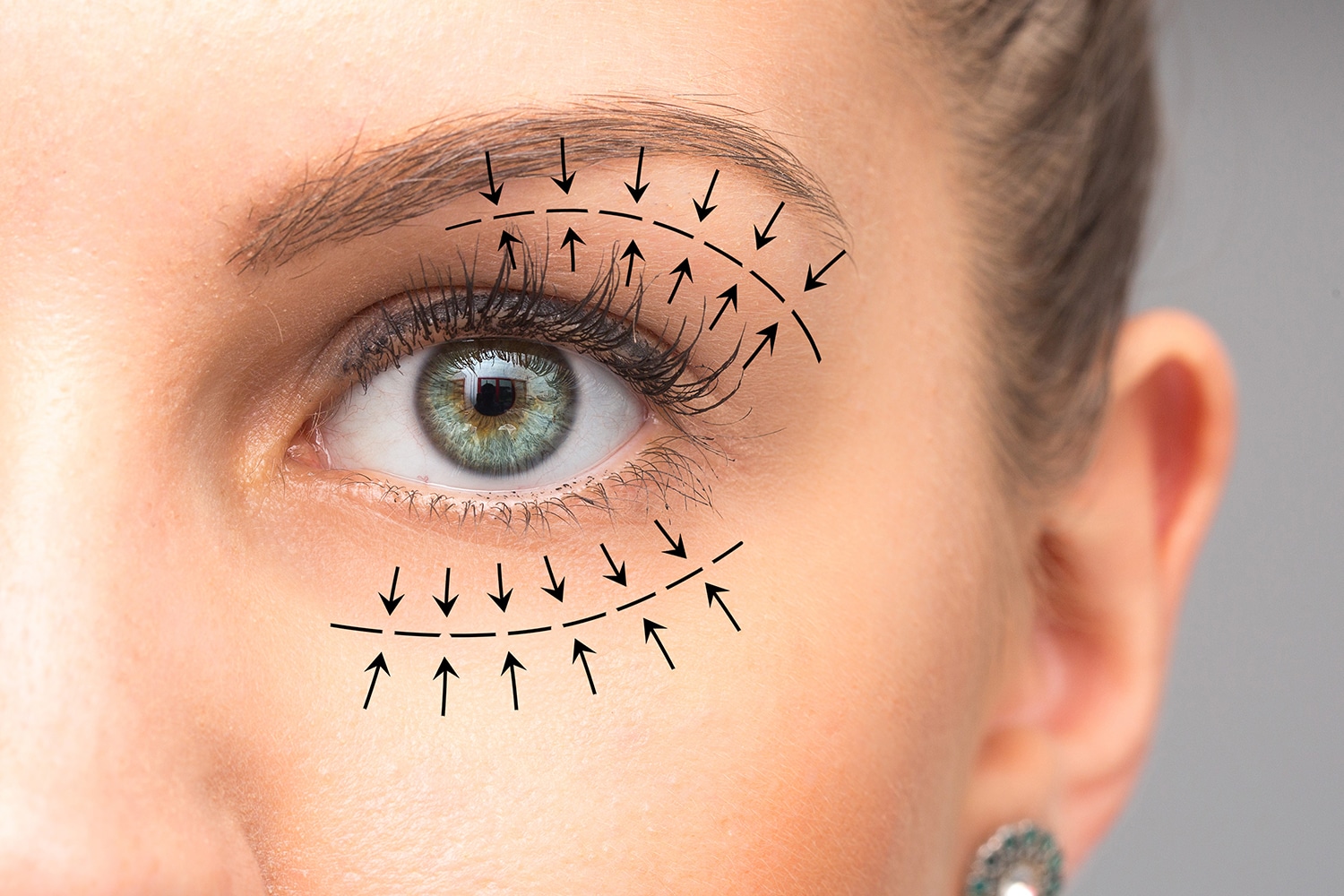
A personalised plan for eyelid surgery
Your treatment plan is based on your eyelid position, eye health, facial anatomy, symptoms and desired outcome. The aim is to create a safe, proportionate plan that supports natural-looking results and clear aftercare.
- Consultation to review your concerns and goals
- Assessment of eyelid position, skin excess and eye health
- Discussion of suitable surgical and non-surgical options
- Planned removal or reshaping of excess eyelid tissue where appropriate
- Clear recovery guidance and follow-up support
Natural results, planned with care
Blepharoplasty is planned around your anatomy, eye health and expectations. The aim is to support a refreshed appearance or improved eyelid comfort while keeping safety, suitability and realistic outcomes at the centre of the decision.
Potential benefits
- May reduce the appearance of excess or heavy eyelid skin
- Can support a more refreshed, natural-looking eye area
- May improve comfort or visual function in selected cases
- Treatment is planned around your anatomy and goals
- Care is delivered with specialist understanding of the eye area
Safety and things to consider
- Eye health and eyelid function should be assessed first
- Not everyone is suitable for eyelid surgery
- Bruising, swelling and recovery time should be expected
- Results and healing timelines vary from person to person
- Benefits, limitations, risks and alternatives should be discussed before treatment
Before, during and after treatment
The blepharoplasty journey is designed to be clear, measured and supportive, from initial consultation through to recovery and review.
Before
- Consultation to understand your concerns and goals
- Assessment of eyelid anatomy, eye health and suitability
- Discussion of expected outcomes, recovery and alternatives
During
- Your treatment plan is confirmed before the procedure
- The procedure is carried out in a clinical setting
- The team explains comfort, safety and immediate aftercare steps
After
- Your response is reviewed over time
- Your plan can be adjusted if needed
- Ongoing support helps maintain comfort
Recovery and Ongoing Care
Recovery focuses on protecting the eyelid area, supporting healing and monitoring your progress. Your clinician will explain what to expect and when to seek advice if symptoms change.
- Follow the aftercare instructions provided by your clinical team
- Avoid rubbing the eye area while healing
- Attend review appointments as advised
- Contact the team if you have unexpected pain, swelling or concerns
- Allow time for swelling to settle and results to mature
Blepharoplasty FAQs
What is blepharoplasty?
Blepharoplasty is eyelid surgery that can remove or reshape excess eyelid skin and tissue. It may be considered for cosmetic reasons, functional reasons or a combination of both.
Can blepharoplasty help with vision?
In some cases, excess upper eyelid skin can affect the field of vision or eyelid comfort. Assessment is needed to understand whether eyelid surgery may help with functional concerns.
Will the results look natural?
The aim is to achieve a refreshed, natural-looking result that suits your face and eyelid anatomy. Your clinician will discuss realistic expectations before treatment.
What recovery is involved?
Recovery varies from person to person, but swelling and bruising are common after eyelid surgery. You will receive guidance on aftercare, activity and follow-up before and after treatment.
Is blepharoplasty suitable for everyone?
Not always. Suitability depends on your eyelid anatomy, eye health, medical history, goals and expectations. If surgery is not appropriate, your clinician can explain why and discuss alternatives where suitable.
Book Consultation
If eyelid heaviness, excess skin or changes around the eyes are affecting your comfort, confidence or vision, IOES can help assess your suitability and guide you towards the right next step.

Explore Aesthetic Options
Learn more about IOES aesthetic and oculoplastic treatments, including eyelid surgery, injectables, skin treatments and light-based skin rejuvenation.