
LASIK
Laser Vision Correction Designed Around You
LASIK is a laser vision correction procedure that may reduce dependence on glasses or contact lenses for suitable patients. At IOES, suitability is assessed carefully using detailed diagnostics, clinical review and a clear discussion of your goals, eye health and available options.
LASIK begins with understanding whether your eyes are suitable
LASIK uses laser technology to reshape the cornea, helping light focus more accurately on the retina. It may be suitable for some people with short-sightedness, long-sightedness or astigmatism, but it is not the right option for everyone. A detailed assessment is essential before any recommendation is made.
- You want to reduce dependence on glasses or contact lenses
- Your prescription appears stable
- Your corneal shape and thickness are suitable
- Your eyes are healthy enough for laser vision correction
- You understand the benefits, limitations and possible alternatives

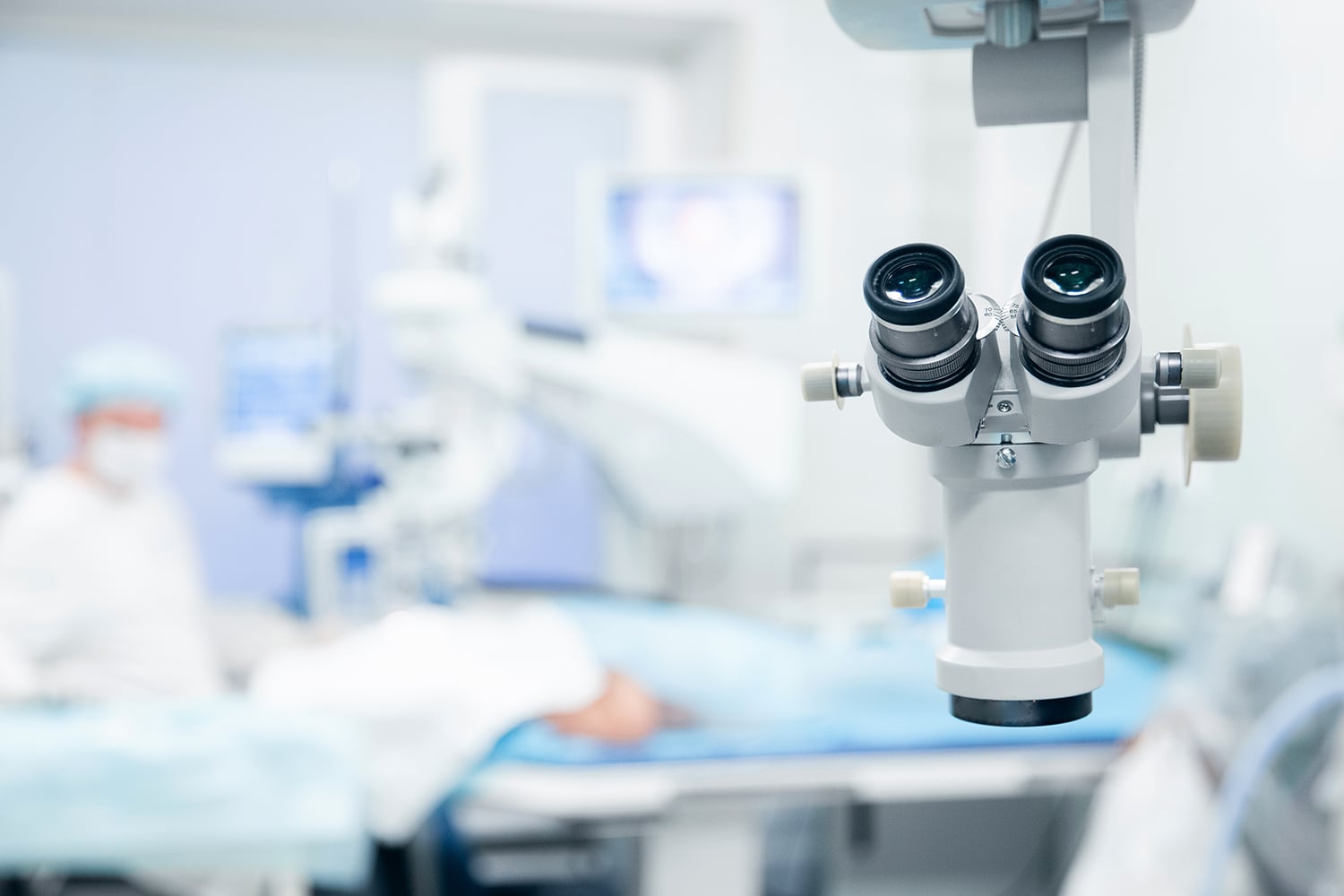
What treatment may involve
Your treatment pathway will depend on your prescription, corneal measurements, eye health and suitability for LASIK compared with other vision correction options. Your clinician will explain whether LASIK is appropriate or whether another option may be better suited to your eyes.
- Detailed vision correction assessment and diagnostic imaging
- Review of prescription, corneal shape and eye health
- Discussion of LASIK, suitability and alternative options
- A personalised recommendation based on your clinical findings
- Clear guidance on preparation, procedure day and aftercare
Helping you make an informed decision about laser vision correction
LASIK can offer meaningful visual freedom for suitable patients, but the decision should be based on careful assessment and realistic expectations. At IOES, the focus is on recommending the right option for your eyes rather than assuming one procedure is suitable for everyone.
Potential benefits
- May reduce dependence on glasses or contact lenses
- Can support greater ease with sport, travel and daily activities
- Usually involves a relatively short treatment appointment
- Vision often improves quickly for suitable patients Assessment helps identify whether LASIK or another option is most appropriate
Safety and things to consider
- LASIK is not suitable for every prescription or eye shape
- Dry eye, corneal thickness and overall eye health must be assessed
- Some patients may be better suited to EVO ICL or Custom Lens Replacement
- Temporary dryness, glare or visual fluctuation can occur after treatment
- Your clinician will discuss risks, limitations and expected outcomes before treatment
Before, during and after LASIK
The LASIK pathway begins with a detailed assessment and suitability discussion. If treatment is recommended, the clinical team will explain how to prepare, what happens on the day and how your recovery will be monitored.
Before
- Your prescription and eye health will be reviewed
- Corneal measurements and diagnostic imaging will be completed
- Dry eye, corneal shape and suitability factors will be assessed
- Your clinician will discuss LASIK and alternative options where relevant
- You will receive preparation and aftercare guidance before treatment
During
- The eye is numbed with anaesthetic drops
- Laser technology is used to reshape the cornea
- The procedure is usually completed within a short treatment appointment
- The clinical team will guide you through each step
After
- You will receive aftercare instructions and eye drops where required
- Vision may improve quickly, though some fluctuation can occur early on
- You should avoid rubbing your eyes during recovery
- Follow-up appointments help monitor healing and visual progress
Recovery and Ongoing Care
Recovery varies between patients, but most people are given clear instructions on eye drops, activity and follow-up. It is important to attend review appointments and contact the clinical team if you notice worsening pain, reduced vision or symptoms that concern you.
- Use prescribed eye drops as directed
- Avoid rubbing the eyes during the early recovery period
- Attend follow-up appointments as advised
- Allow time for early visual fluctuation to settle
- Contact IOES if symptoms worsen or you are concerned
Frequently Asked Questions
What is LASIK?
LASIK is a laser vision correction procedure that reshapes the cornea to help improve how light focuses in the eye. It may reduce dependence on glasses or contact lenses for suitable patients.
Am I suitable for LASIK?
Suitability depends on your prescription, corneal shape and thickness, eye health, age, lifestyle and expectations. A detailed assessment is needed before LASIK can be recommended.
Is LASIK the only vision correction option?
No. Some people may be better suited to EVO ICL, Custom Lens Replacement or another option. Your clinician will explain which pathway is most appropriate based on your assessment.
How long does recovery take?
Recovery varies, but many patients notice an improvement in vision relatively quickly. Your clinical team will explain what to expect and when you should return for follow-up.
Can LASIK treat all prescriptions?
LASIK is not suitable for every prescription or every eye. Your assessment will help determine whether your prescription and eye measurements fall within a suitable range.
Can dry eye affect suitability for LASIK?
Yes. Dry eye symptoms and ocular surface health are important suitability factors. These will be assessed before a recommendation is made.
Book Consultation
If you are considering LASIK or another vision correction option, IOES can assess your suitability and guide you towards the right next step.

Not sure which vision correction option is right for you?
Explore the wider vision correction options available at IOES, including LASIK, EVO ICL and Custom Lens Replacement.