
Glaucoma Treatment
Protecting Vision Through Careful Glaucoma Management
Glaucoma treatment focuses on lowering eye pressure, protecting the optic nerve and reducing the risk of further sight loss. At IOES, care is guided by specialist assessment, detailed diagnostics and a treatment plan tailored to the type and stage of glaucoma.
Glaucoma care begins with understanding pressure and optic nerve health
Treatment for glaucoma depends on the type of glaucoma, the level of eye pressure, the condition of the optic nerve and whether there are signs of progression. The aim is to protect remaining vision and reduce the risk of further damage over time.
- You have been diagnosed with glaucoma
- Your eye pressure is higher than recommended
- There are signs of optic nerve damage
- Your visual field testing shows changes
- You need ongoing monitoring or a revised treatment plan

What treatment may involve
Your treatment plan is based on the findings from your assessment and may be adjusted over time depending on how your eyes respond.
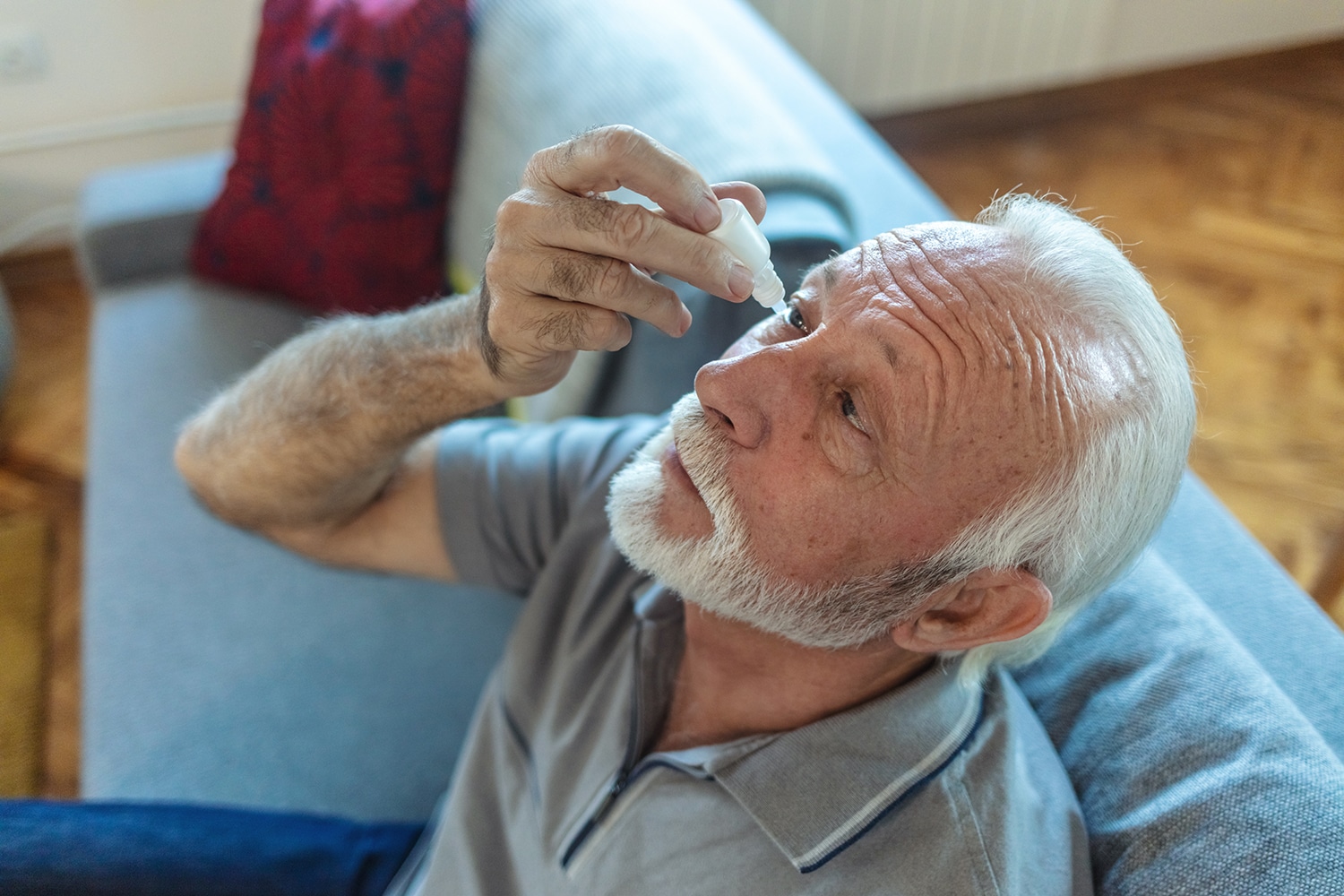
- Eye drops to help lower eye pressure
- Laser treatment where clinically appropriate
- Surgical options for more advanced or uncontrolled glaucoma
- Regular pressure checks and optic nerve imaging
- Visual field testing to monitor functional vision
Helping protect sight with a clear management plan
Glaucoma treatment is designed to reduce pressure on the optic nerve, slow progression and support long-term monitoring. Your clinician will explain the options, benefits and any risks before treatment begins.
Potential benefits
- Helps lower eye pressure
- Reduces the risk of further optic nerve damage
- Supports long-term preservation of vision
- Allows progression to be monitored over time
- Provides a structured plan for ongoing care
Safety and things to consider
- Glaucoma treatment cannot usually restore vision already lost
- Some treatments require ongoing use or repeat monitoring
- Eye drops may cause side effects for some patients
- Laser or surgical options have specific risks that will be explained
- Your treatment plan may change if glaucoma progresses
Before, during and after treatment
Glaucoma care is usually an ongoing pathway rather than a single treatment. The goal is to understand your risk, agree the right approach and monitor your eyes carefully over time.
Before
- Eye pressure measurement
- Optic nerve assessment and imaging
- Visual field testing
- Review of current medication and eye history
During
- Treatment may involve drops, laser or surgery depending on your needs
- Your clinician will explain what each option involves
- If laser or surgery is recommended, preparation and aftercare will be discussed
- Your comfort and safety will be supported throughout
After
- Follow-up appointments are important to assess response
- Eye pressure and visual fields may be monitored over time
- Medication or treatment may be adjusted if needed
- You should report any new symptoms or sudden changes promptly
Recovery and Ongoing Care
Long-term monitoring is central to glaucoma care. For people already living with reduced vision, Low Vision support may also help with practical strategies, visual aids and day-to-day confidence.
- Attend follow-up visits as advised
- Use eye drops exactly as prescribed if they are part of your plan
- Keep monitoring appointments even if your vision feels stable
- Ask for support if vision changes affect daily activities
Frequently Asked Questions
Can glaucoma be treated?
Glaucoma can usually be managed, but treatment is focused on lowering eye pressure and reducing the risk of further damage rather than reversing sight loss that has already occurred.
What treatments are used for glaucoma?
Treatment may include eye drops, laser treatment, surgery or ongoing monitoring. The right option depends on the type and stage of glaucoma and how your eye responds to treatment.
Do I need Will glaucoma treatment improve my vision? for life?
Glaucoma treatment is mainly designed to protect remaining vision and slow progression. It does not usually restore vision that has already been lost.
Will I need treatment for life?
Many people with glaucoma need long-term monitoring and ongoing treatment. Your plan may change over time depending on eye pressure, optic nerve findings and visual field results.
Is glaucoma surgery always needed?
No. Many people are managed with drops or laser treatment. Surgery may be considered if glaucoma is more advanced or if pressure is not controlled with other approaches.
Why are regular appointments important?
Glaucoma can progress without obvious symptoms. Regular monitoring helps detect changes early and allows your clinician to adjust treatment if needed.
Book Consultation
If you have been diagnosed with glaucoma or are concerned about eye pressure, IOES can assess your eyes, explain your options and guide you towards the right treatment plan.

Not sure if glaucoma is affecting your vision?
Learn more about glaucoma, how it is diagnosed and why careful monitoring is important for protecting long-term vision.