
Low Vision
Helping You Make the Most of Your Remaining Vision
Low Vision support focuses on helping people adapt to reduced vision, make better use of the vision they have and remain as confident and independent as possible. At IOES, our Low Vision Clinic provides personalised assessment, practical guidance and advice on visual aids and solutions tailored to everyday life.
Low vision care begins with understanding daily life
Low vision refers to reduced vision that cannot be fully corrected with glasses, contact lenses or surgery, but where useful vision remains. Rather than focusing only on what someone can no longer see, Low Vision support looks at what matters most in daily life and how the right aids, guidance and adjustments may help.
- Reduced vision is affecting reading, hobbies or daily tasks
- Glasses or contact lenses no longer provide enough support
- Confidence, mobility or independence has been affected
- A person is living with vision loss from AMD, glaucoma or retinal disease
- Practical visual aids or strategies may help improve day-to-day quality of life
What Low Vision Support May Involve
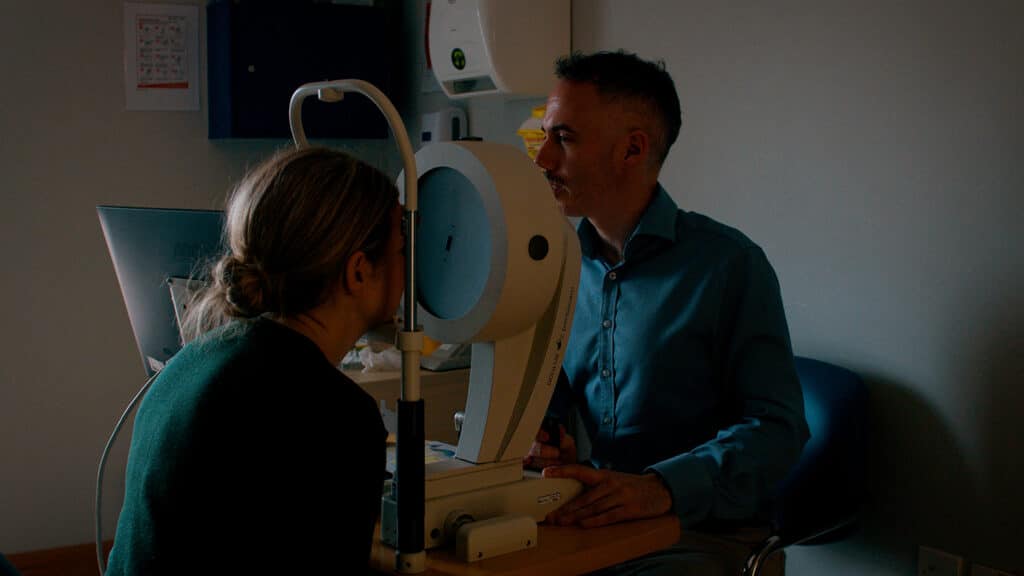
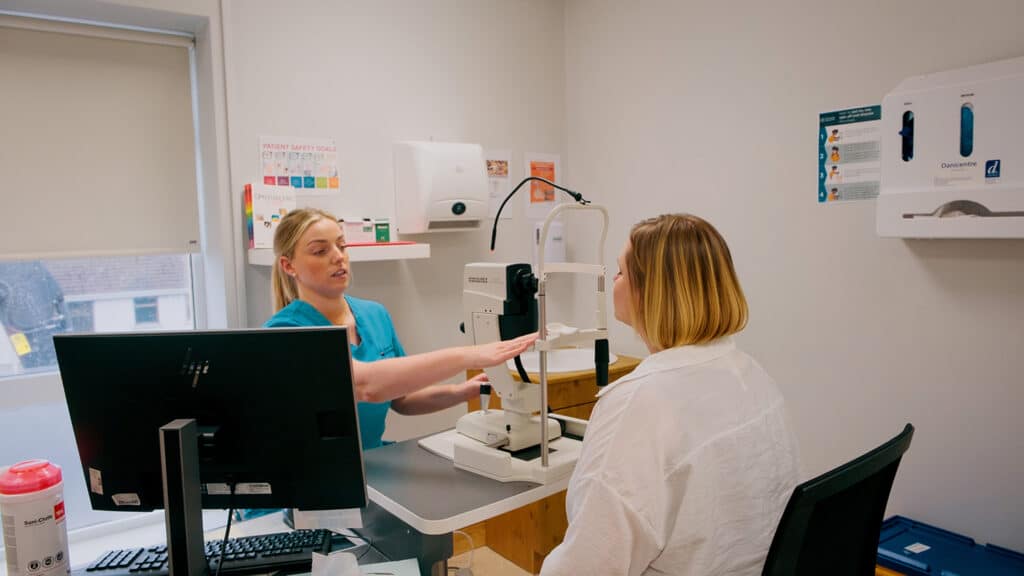
A Low Vision Assessment is personalised around the patient, not just the eye chart. The aim is to understand how reduced vision affects everyday tasks and recommend practical solutions that are realistic, manageable and meaningful.
- Assessment of reading, close-up tasks and everyday visual needs
- Review of lighting, contrast, mobility and spatial awareness
- Advice on optical, digital or electronic magnification aids
- Guidance on practical strategies for daily routines and independence
- Support for patients, families or carers where appropriate
Helping you adapt with confidence
Low Vision support is designed to help people make more confident use of their remaining vision. It does not reverse the underlying cause of vision loss, but it can provide practical tools, guidance and reassurance that make a meaningful difference in daily life.
Potential benefits
- Helps identify visual aids and strategies suited to real daily needs
- Supports reading, hobbies, mobility and everyday activities
- May improve confidence and independence
- Provides practical advice for patients, families and carers
- Helps people feel supported when vision cannot be fully restored
Things to Consider
- Low Vision support does not cure the underlying eye condition
- The right aids depend on each person's vision, goals and daily routine
- Some devices or strategies may take practice and follow-up
- Recommendations should be realistic, manageable and tailored to the patient
- Ongoing eye care may still be needed for the underlying condition
Before, during and after assessment
A Low Vision Assessment is a supportive appointment focused on how reduced vision affects the person in real life. The clinical team will take time to understand the patient's needs, demonstrate suitable options and explain next steps clearly.
Before
- Bring current glasses, magnifiers or visual aids if used
- Think about the tasks that are most difficult day to day
- Bring any relevant eye care information where available
- We strongly encourage a chaperone to attent
During
- Your vision and practical visual needs will be assessed
- The team will ask about reading, hobbies, mobility and daily tasks
- Suitable visual aids or strategies will be demonstrated
- You will have time to ask questions and discuss what feels manageable
After
- You will receive recommendations for aids, lighting or practical adjustments
- You will be guided on how to use selected visual aids confidently
- Further follow-up or ongoing eye care will be advised
- Your plan can be reviewed if your needs or vision change
Ongoing Support
Low Vision support is often about adaptation over time. As vision, lifestyle or daily needs change, the right support may also change. IOES can help guide patients towards practical options that support independence and quality of life.
- Use recommended visual aids as advised
- Review support if daily tasks become more difficult
- Continue care for the underlying eye condition where needed
- Seek advice if there are new symptoms or sudden changes in vision
Frequently Asked Questions
What is low vision?
Low vision is reduced vision that cannot be fully corrected with glasses, contact lenses or surgery, but where useful vision still remains. Support focuses on helping people make the most of that remaining vision.
Is Low Vision support the same as treatment?
Low Vision support is different from treatment for the underlying condition. It focuses on practical aids, strategies and guidance to help with daily life when vision cannot be fully restored.
Who can benefit from a Low Vision Assessment?
A Low Vision Assessment may help people who struggle with reading, hobbies, mobility or everyday tasks because of reduced vision, even when glasses or contact lenses are up to date.
What types of aids may be recommended?
Depending on your needs, options may include enhanced reading glasses, optical magnifiers, digital or electronic magnification devices, lighting advice or other practical visual supports.
Can Low Vision support help if I have AMD or glaucoma?
Yes. People living with reduced vision from conditions such as AMD, glaucoma or retinal disease may benefit from practical support, visual aids and guidance tailored to daily life.
Will I need follow-up?
Follow-up depends on your needs, the underlying eye condition and whether further support or review of visual aids is helpful. Your clinician will advise what is appropriate.
Book Consultation
If reduced vision is affecting your confidence, independence or daily life, IOES can help assess your needs and guide you towards practical support.

Living with reduced vision?
Learn more about common vision problems and when it may be time to arrange specialist assessment or support.