Home » Services » Glaucoma
Glaucoma
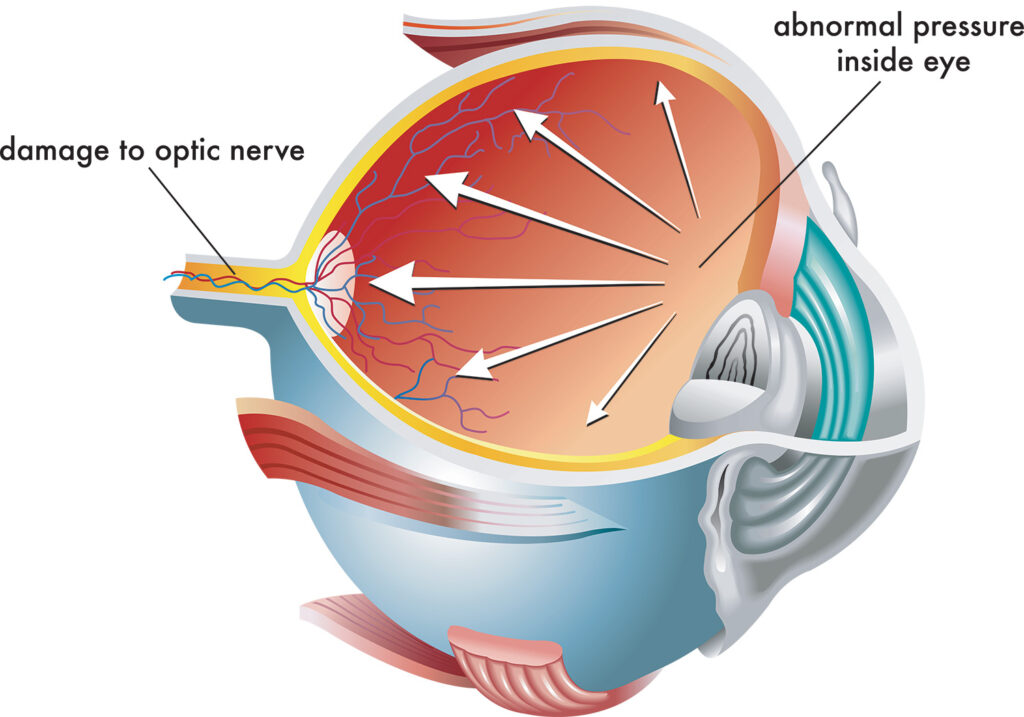
Glaucoma is a condition that causes progressive damage to the optic nerve, the structure that carries visual information from the eye to the brain. If left untreated, glaucoma can lead to irreversible vision loss.
It is the second most common cause of blindness in Ireland and is becoming more prevalent as people live longer. While vision loss from glaucoma cannot be reversed, early detection and appropriate treatment can help preserve sight.
At Institute of Eye Surgery, we provide comprehensive glaucoma assessment, monitoring, and treatment using advanced diagnostic technology and personalised care plans.
What is Glaucoma?
Glaucoma typically affects peripheral (side) vision first, progressing slowly and without noticeable symptoms in its early stages. Because central vision is often preserved until later stages, many people are unaware they have glaucoma until significant damage has already occurred.This makes regular eye examinations essential, particularly for those at higher risk.
Who is at Risk of Glaucoma?
Several factors increase the risk of developing glaucoma, including:
- A family history of glaucoma (especially over age 40)
- Age over 60, even without a family history
- Thin corneas, which can affect eye pressure readings
- Nearsightedness (myopia)
- Diabetes
- Abnormally high or low blood pressure
Many people with glaucoma are unaware they have the condition, which is why screening is so important.
How is Glaucoma Detected?
Glaucoma is detected through a comprehensive eye examination, not a single test. At IOES, assessment may include:
Eye Pressure Measurement
- Eye pressure (intraocular pressure or IOP) is measured
- Normal pressure typically ranges between 10–20 mmHg
- Glaucoma can occur with normal pressure (normal tension glaucoma)
- Elevated pressure may be present without glaucoma (ocular hypertension)
Corneal thickness is also measured, as this can influence pressure readings.
Assessment of Peripheral Vision
Glaucoma causes gradual loss of peripheral vision, which often goes unnoticed by patients.
Visual field testing helps detect:
- Progression of the disease over time
- Early changes in peripheral vision
Optic Nerve Assessment
Glaucoma damages the optic nerve, leading to characteristic structural changes.
Assessment includes:
- Clinical examination of the optic nerve
- Optical Coherence Tomography (OCT) imaging
- Measurement of the retinal nerve fibre layer, which is critical for diagnosis and long-term monitoring
All diagnostic technologies required for glaucoma assessment and monitoring are available at IOES.
How is Glaucoma Treated?
The goal of glaucoma treatment is to lower eye pressure to reduce further damage to the optic nerve.
Treatment options may include:
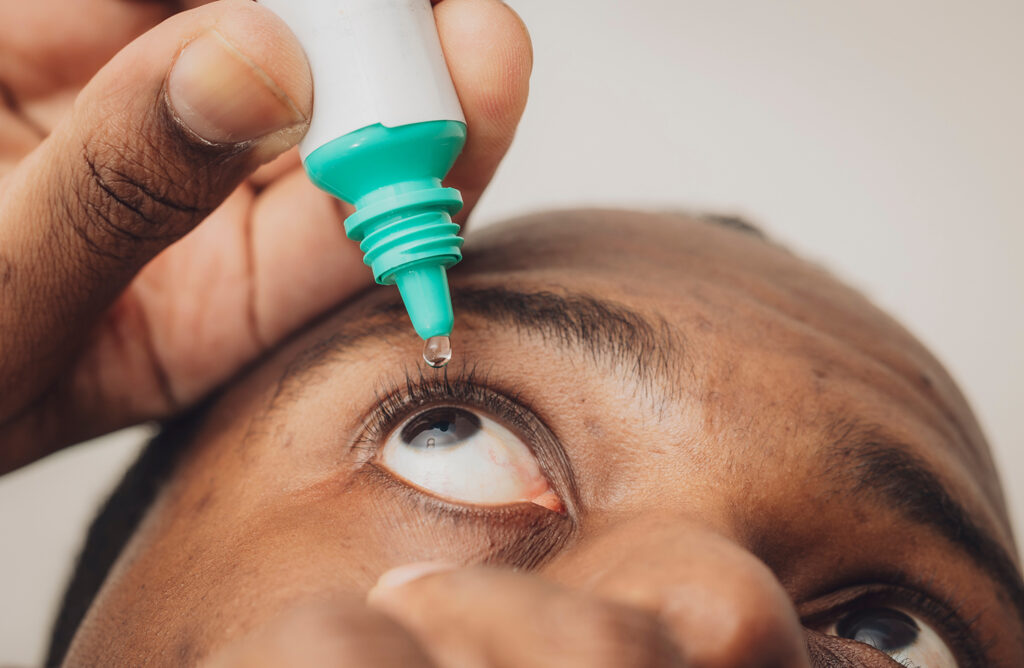
- Prescription eye drops
- Laser treatment
- Surgical procedures, when appropriate
The most suitable approach is determined on a case-by-case basis, in consultation with your ophthalmologist.
What to Expect: Glaucoma Care at IOES
Before Your Appointment
Your visit will begin with a detailed eye examination focused on eye pressure, optic nerve health, and peripheral vision.
You’ll have the opportunity to discuss:
- Previous eye care or treatments
- Any vision changes or symptoms
- Your medical and family history
During Your Visit
Your assessment may include several painless tests to evaluate different aspects of eye health.
Your consultant will:
- Outline monitoring or treatment options, if needed
- Explain your results clearly
- Discuss whether glaucoma is present
After Your Appointment
You’ll receive a personalised care plan, which may include:
- Ongoing monitoring and follow-up visits
- Eye drops or other treatments
- Clear guidance on how to protect your vision long-term
If glaucoma is diagnosed, regular follow-up is essential to ensure stability.
Important Safety Note
If you experience sudden vision changes, eye pain, halos around lights, or rapid loss of vision, seek urgent eye assessment. While most glaucoma progresses slowly, some forms can require prompt treatment.
Frequently Asked Questions About Glaucoma
Take the Next Step
Early detection is the key to protecting your vision.
Book a glaucoma assessment or contact our team to learn more about glaucoma screening, diagnosis, and treatment at IOES.